
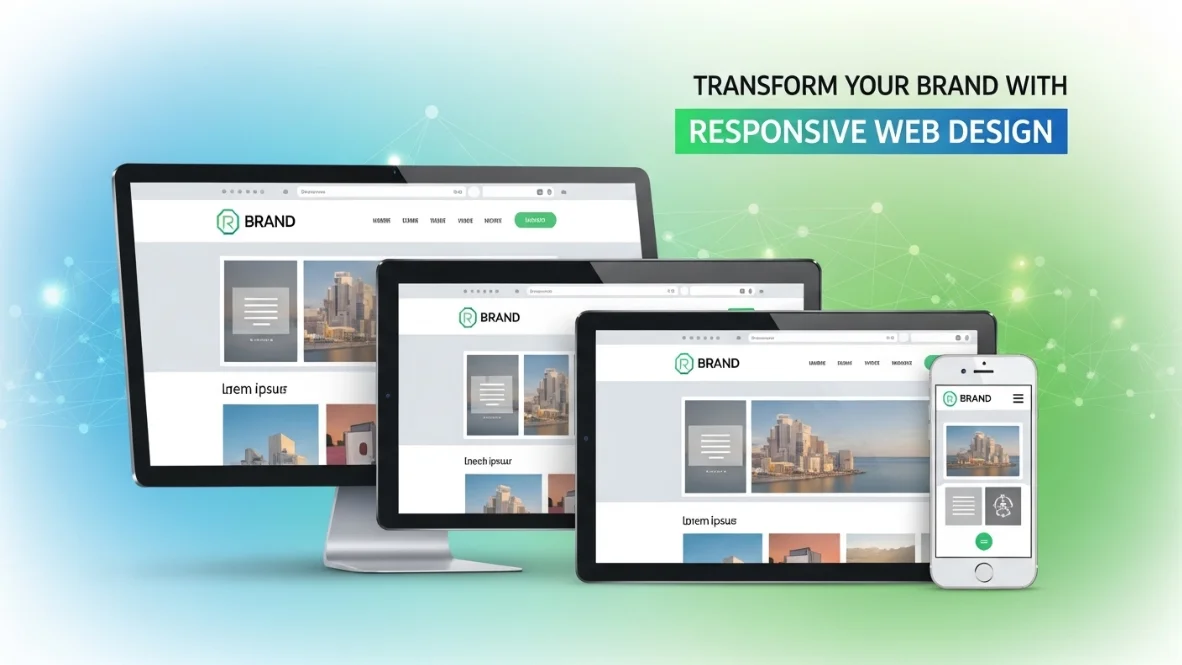
In today’s digital landscape, your website is often the first interaction customers have with your business. A slow, outdated, or poorly optimized website can drive visitors away within seconds. This is where responsive web design becomes essential. A responsive website adapts seamlessly to different screen sizes and devices, delivering an excellent user experience while strengthening your brand identity.
Whether users access your website from a desktop computer, tablet, or smartphone, responsive design ensures your content looks professional and functions perfectly. Investing in responsive web design is no longer optional—it’s a key strategy for building trust, improving engagement, and growing your online presence.
What is Responsive Web Design?
Responsive web design is a modern approach to website development that automatically adjusts layouts, images, and content based on the user’s screen size and device. Instead of creating separate versions for mobile and desktop users, a responsive website uses flexible grids and adaptive elements to create a consistent experience.
Key features of responsive design include:
- Mobile-friendly layouts
- Flexible images and content
- Fast loading speed
- Better navigation and usability
- Improved user experience across devices
Why Responsive Web Design Matters for Your Brand
1. Creates a Strong First Impression
Your website represents your business online. Visitors often form an opinion about a brand within seconds. A modern, visually appealing, and responsive website creates a positive impression and increases trust among users.
If your website appears broken or difficult to navigate on mobile devices, potential customers may leave and choose a competitor instead.
2. Improves User Experience
User experience plays a major role in customer satisfaction and conversions. Responsive design ensures that users can easily read content, click buttons, and navigate pages without zooming or excessive scrolling.
Benefits include:
- Easier navigation
- Better readability
- Reduced bounce rates
- Higher customer satisfaction
A smooth user experience encourages visitors to spend more time on your website.
3. Boosts SEO Performance
Search engines prioritize mobile-friendly websites. Responsive web design directly supports SEO efforts by improving page speed, reducing duplicate content issues, and enhancing user engagement metrics.
SEO advantages include:
- Better search engine rankings
- Improved mobile indexing
- Faster website performance
- Lower bounce rates
- Increased organic traffic
Businesses that combine responsive design with strong SEO strategies can gain a significant competitive advantage.
Responsive Design and Mobile Traffic Growth
Mobile internet usage continues to grow rapidly. Millions of users browse websites, shop online, and search for services using smartphones every day. If your website isn’t optimized for mobile devices, you’re potentially losing a large portion of your audience.
Responsive design helps businesses:
- Reach mobile users effectively
- Increase conversions
- Improve customer retention
- Strengthen brand credibility
Essential Elements of Responsive Web Design
Flexible Layouts
Modern websites use adaptable grid systems that automatically resize based on screen dimensions.
Responsive Images
Images adjust to fit different devices without affecting loading speed or visual quality.
Fast Performance
Website speed affects both user experience and search rankings. Optimized responsive websites load quickly on all devices.
Mobile-Friendly Navigation
Menus, buttons, and links should remain easy to access on smaller screens.
How Responsive Design Supports Business Growth
A responsive website does more than improve appearance—it contributes directly to business growth. Companies with mobile-friendly websites often experience:
- Higher conversion rates
- Increased customer engagement
- Better search visibility
- Greater brand awareness
- Improved return on investment
As technology continues to evolve, businesses need websites that can adapt to changing user behaviors and devices.
Final Thoughts
Responsive web design is an essential component of a successful digital strategy. It improves user experience, strengthens SEO performance, increases mobile accessibility, and helps create a professional brand image.
Businesses that invest in responsive web design position themselves for long-term success by delivering a seamless experience across all devices. If your goal is to transform your brand and attract more customers, responsive web design is a smart and valuable investment.