
In today’s digital world, web design is more than just creating attractive pages. A well-designed website improves user experience, increases engagement, and supports business growth. As technology and user behavior continue to evolve, keeping up with modern web design trends is essential for businesses, developers, and designers who want to stay competitive.
This article explores the most important web design trends you should know in 2026 and how they can help create more effective websites.
Why Web Design Trends Matter
Web design trends are not only about appearance. They influence how visitors interact with your website, how long they stay, and whether they convert into customers. Modern users expect websites to be fast, responsive, and visually appealing across all devices.
Benefits of following modern web design trends include:
- Better user experience
- Higher engagement rates
- Improved mobile performance
- Faster loading speed
- Increased conversion rates
- Stronger brand identity
- Better SEO performance
1. Mobile-First Design
Mobile devices now account for a large percentage of internet traffic worldwide. Designing for smartphones and tablets before desktop screens has become a standard practice.
Key benefits:
- Better mobile usability
- Faster loading times
- Improved search engine rankings
- Enhanced user experience
A mobile-first approach ensures your website works perfectly on smaller screens before expanding for larger devices.
2. Minimalist and Clean Layouts
Modern websites are moving toward simplicity. Clean designs with sufficient white space make content easier to read and reduce distractions.
Characteristics of minimalist web design:
- Simple color schemes
- Clear navigation
- Limited visual clutter
- Focused content sections
- High readability
Users generally prefer websites that quickly provide information without overwhelming visual elements.
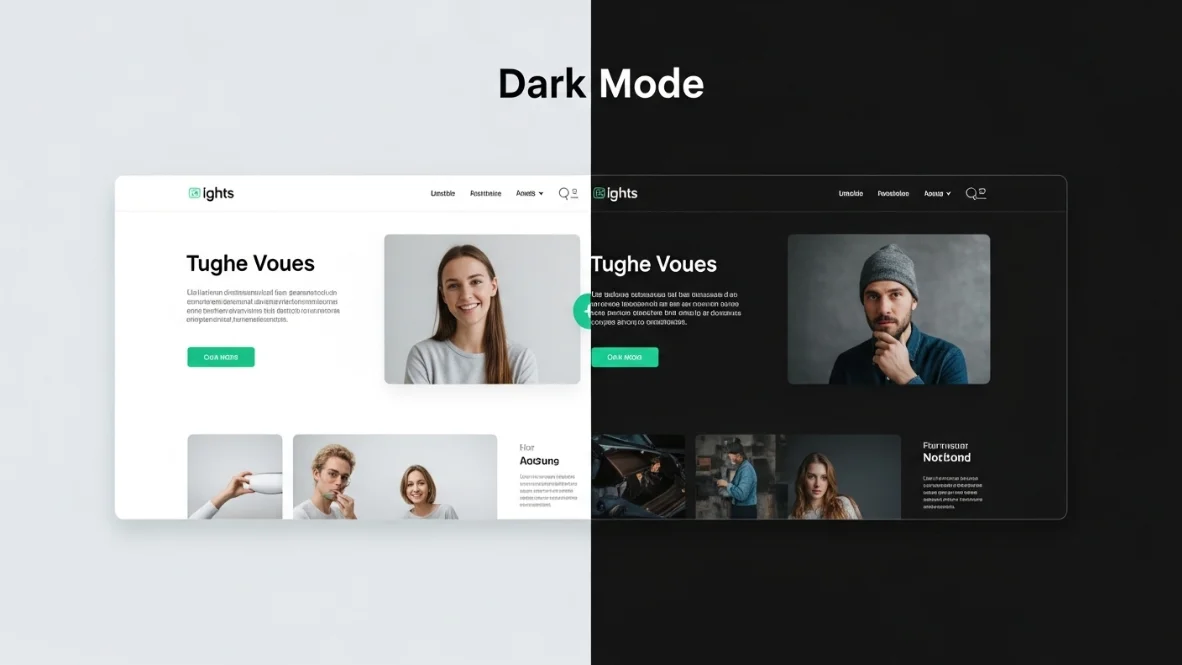
3. Dark Mode Design
Dark mode continues to gain popularity because it offers a stylish appearance while reducing eye strain.
Benefits of dark mode:
- Improved visual comfort
- Modern user interface
- Better battery efficiency on some devices
- Enhanced visual contrast
Many websites now provide users with the option to switch between light and dark themes.
4. AI-Powered Personalization
Artificial intelligence is transforming web experiences by delivering personalized content based on user behavior.
Examples include:
- Personalized product recommendations
- Smart content suggestions
- AI chatbots
- Customized user experiences
AI helps businesses improve engagement and customer satisfaction.
5. Advanced Micro-Interactions
Micro-interactions are small animations or visual responses that occur when users interact with website elements.
Examples:
- Hover effects
- Animated buttons
- Progress indicators
- Loading animations
- Interactive icons
These subtle features make websites feel more dynamic and engaging.
6. Voice User Interface (VUI)
Voice search and voice assistants continue to grow in popularity. Websites are increasingly being optimized for voice interactions.
Benefits include:
- Faster information access
- Improved accessibility
- Better user convenience
Businesses should also optimize website content for conversational search queries.
7. Fast Loading Performance
Website speed remains one of the most important ranking and user experience factors.
Methods to improve speed:
- Compress images
- Minimize code
- Use caching systems
- Implement Content Delivery Networks (CDN)
- Optimize server performance
Slow websites can increase bounce rates and reduce conversions.
8. Immersive Visual Experiences
Modern websites are incorporating engaging visual elements such as:
- Full-screen video backgrounds
- Interactive graphics
- 3D visuals
- Scrolling effects
- Animated illustrations
These features help attract attention and create memorable user experiences.
9. Accessibility-Focused Design
Web accessibility ensures that websites can be used by people with disabilities.
Accessibility best practices include:
- Alt text for images
- Keyboard navigation
- Readable font sizes
- Proper contrast ratios
- Clear content structure
Accessible websites reach broader audiences and improve usability for everyone.
10. Responsive Design Across Devices
Users access websites from multiple devices including desktops, tablets, smartphones, and smart TVs.
Responsive design helps:
- Maintain consistent appearance
- Improve usability
- Reduce bounce rates
- Enhance SEO performance
Flexible layouts ensure websites adapt automatically to different screen sizes.
Web Design and SEO Connection
Many businesses overlook the relationship between web design and SEO. Search engines consider user experience signals when ranking websites.
Good web design can improve:
- Page loading speed
- Mobile usability
- User engagement
- Navigation structure
- Content readability
A strong design strategy combined with SEO techniques creates better online visibility.
Final Thoughts
Web design continues to evolve rapidly. Businesses that adopt modern design trends can create websites that look professional, perform efficiently, and provide excellent user experiences.
From mobile-first design and AI personalization to dark mode and accessibility, these trends are shaping the future of the web. Staying updated with these changes can help your website remain competitive and deliver better results.
Whether you are a business owner, web developer, or designer, implementing these essential web design trends can significantly improve your website’s performance and long-term success.